Fiber to the Desktop (FTTD): The Case for High-Density and High-Security Environments
1162 Visits
Fiber to the Desktop (FTTD) has become essential in mission-critical environments. Imagine a trading floor for finances, a military operations room, or a medical research lab where seconds count and security of data is everything. In these environments, one millisecond of downtime or a minor breach would be expensive. That's where Fiber to the Desktop (FTTD) saves the day.
With rising bandwidth demands, increased cyber threats, and stricter compliance standards, traditional copper cabling struggles to keep up. Organizations worldwide are turning to FTTD to deliver secure, high-speed, and interference-free connectivity directly to the workstation. At Omnitron Systems, we’ve seen this transformation first-hand—especially in government, defense, and enterprise deployments where high-density and high-security requirements are mission-critical.
What is Fiber to the Desktop (FTTD)?
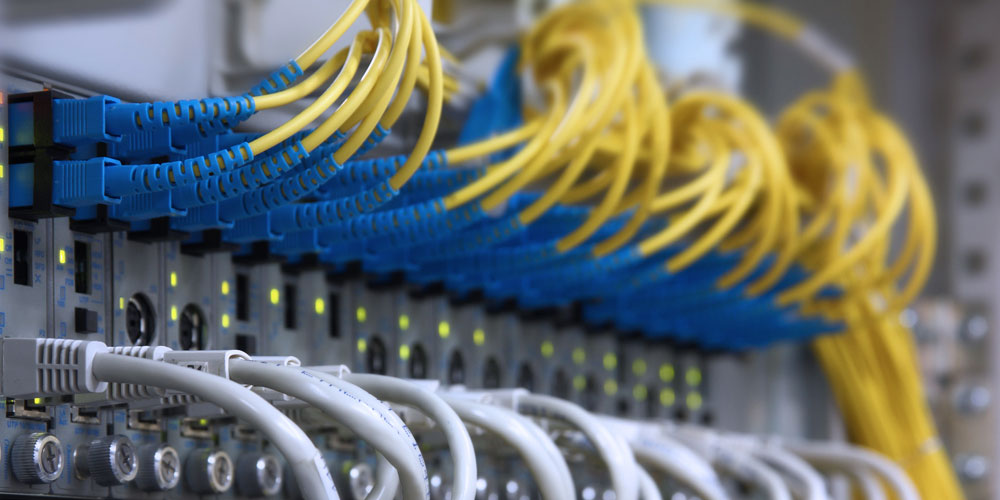
Fiber to the Desktop (FTTD) is a network architecture that extends fiber optic cabling all the way to the desktop of a single workstation, rather than utilizing traditional copper cabling. Instead of stopping at a telecom closet and being converted to copper, FTTD delivers the benefits of fiber—high bandwidth, low latency, and electromagnetic interference (EMI) immunity—right to the user desktop.
In contrast to Fiber to the Home (FTTH) or Fiber to the Building (FTTB), which still use copper for the final connection, FTTD offers end-to-end fiber connectivity. Consequently, it is particularly valuable where data security is tight, there is a large density of devices, or where distance renders the use of copper impossible.
Why Fiber to the Desktop is Important?
1. Meeting Bandwidth Demand
The Federal Communications Commission (FCC) finds that average broadband speeds have tripled over the past decade. But within business environments, data growth is even faster due to high-resolution imaging, video collaboration, and big data analytics. Copper cabling simply cannot be scaled to accommodate these demands with any degree of reliability.
2. Beating Distance Limitations
Copper Ethernet runs are limited to 100 meters. On large campuses, airports, or secured facilities, this limitation requires additional intermediate distribution frames (IDFs), adding cost and complexity. FTTD eliminates these flaws with 10 km fiber runs without signal loss.
3. Immunity to EMI and Better Security
Fiber is immune to electromagnetic interference and is therefore essential in defense, medical, or factory floors where sensitive equipment or radio frequencies can interfere with copper. Fiber is also far more challenging to tap without detection, offering better security for sensitive or classified information.
4. Future-Proofing the Network
With fiber's nearly unlimited bandwidth potential, businesses deploying FTTD today are future-proofing their infrastructure for decades. As data demands grow, fiber expands without rip-and-replace costs.
Case Study: Fiber to the Desktop Deployment by Omnitron highlights how government facilities achieved long-term ROI and simplified their infrastructure using FTTD.
Benefits of Fiber to the Desktop for High-Security Industries
High-security industries such as government, finance, defense, and healthcare cannot afford network vulnerabilities. Data leaks, downtime, or unauthorized access can lead to financial losses, compliance violations, and even national security risks. This is where Fiber to the Desktop (FTTD) becomes a strategic choice. Unlike copper, fiber delivers end-to-end security and performance that meets the strictest requirements.
1. Enhanced Data Security
Fiber optic cables are far more secure than copper lines. They don’t radiate signals that can be intercepted, and tapping fiber is extremely difficult without detection.
For industries handling classified, personal, or financial data, this makes FTTD an unmatched defense layer.
2. EMI and Interference Immunity
In environments like hospitals, military bases, and manufacturing facilities, electromagnetic interference (EMI) can disrupt copper-based networks. Fiber is naturally immune to EMI, ensuring consistent, interference-free data transmission—a must for real-time operations such as medical imaging or air traffic control.
3. Greater Distance and Centralization
Fiber allows runs of up to 10 km without losing signal quality. High-security campuses, military compounds, or government facilities can centralize infrastructure and reduce the number of intermediate distribution frames (IDFs), lowering risk exposure.
4. Future-Proof Infrastructure
Bandwidth needs in secure industries are skyrocketing with AI, telemedicine, and data analytics. Deploying Fiber to the Desktop ensures networks are scalable for decades, avoiding costly rip-and-replace upgrades.
Pro Insight: In federal government deployments, Omnitron’s miConverter S-Series has proven effective because it’s compact, USB-powered, and requires no drivers—making FTTD installations simpler, faster, and more secure.
Deploying Fiber to the Desktop
FTTD deployment must be carefully planned. Here is a step-by-step guide:
Evaluate Current Infrastructure: Think about cabling distances, security requirements, and bandwidth demands.
Create High-Security Areas: Identify areas where sensitive information is processed, e.g., trading floors, labs, or command centers.
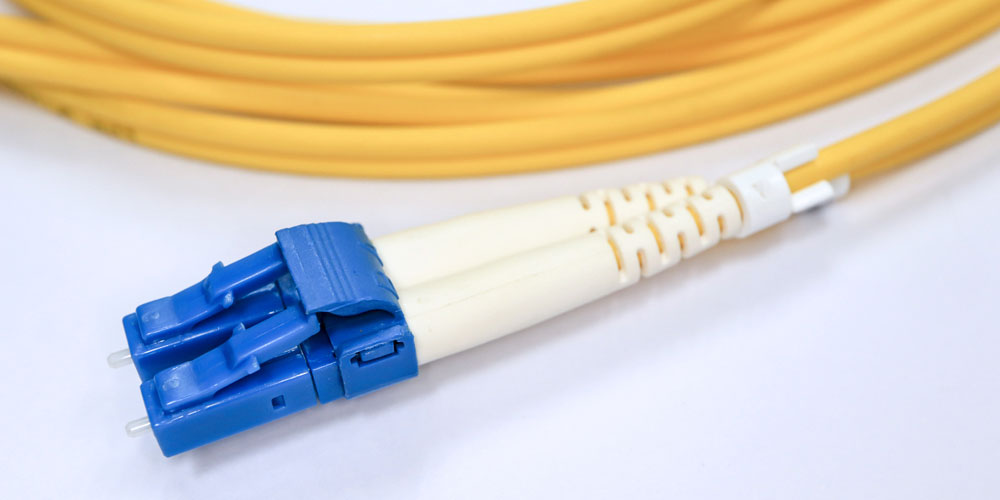
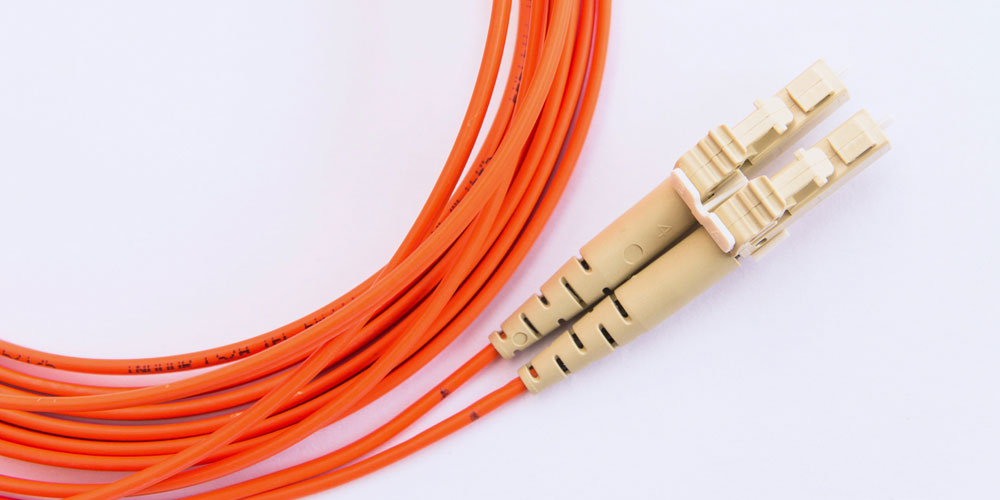
Identify Fiber Cabling Type: Choose between multimode or single-mode fiber based on distance and capacity.
Use Media Converters on the Desktop: Products like the Omnitron miConverter S-Series offer a simple method for terminating fiber on standard Ethernet devices.
Think About Power Options: The miConverter S-Series can be directly powered over USB from the desktop, without the need for additional adapters.
Test and Certify: Test for installation to ensure compliance with performance and security standards.
Common Mistakes to Avoid with Fiber to the Desktop
Assuming Fiber is Too Expensive: Fiber costs have come down significantly, often equaling copper over the life cycle.
Over-complicating the Deployment: With plug-and-play devices like the miConverter S-Series, FTTD can be deployed without needing complex drivers or software.
Ignoring Training Needs: IT personnel must be trained on fiber handling and termination.
Not Planning for Growth: Failure to plan for scalability can lead to higher costs down the line.
Expert Tips for Success with Fiber to the Desktop
Leverage Plug-and-Play Converters: The miConverter S-Series is super compact, USB-powered, and driver-free—ideal for desktops in high-density installations.
Design for High-Density Environments: Consolidate telecom rooms by extending fiber all the way to users, reducing the number of switches needed.
Prioritize Security from the Start: Use tamper-resistant fiber cabling in government or defense facilities.
Align with Trusted Partners: Choose vendors with proven case studies and decades of fiber expertise.
FAQs about Fiber to the Desktop
What is the main advantage of Fiber to the Desktop?
FTTD offers high bandwidth, long distance capability, and enhanced security compared to copper cabling, making it a good fit for challenging environments.
Is Fiber to the Desktop more expensive than copper?
Although upfront costs may be greater, FTTD usually minimizes long-term costs by centralizing IDFs, reducing power requirements, and future-proofing the network.
Can Fiber to the Desktop be connected to existing Ethernet devices?
Yes. Media converters such as the miConverter S-Series interface fiber directly to standard Ethernet ports with plug-and-play ease.
Is Fiber to the Desktop secure?
Yes. Fiber is hard to tap without detection and its immunity to EMI provides data integrity in high-security environments.
Which markets benefit most from Fiber to the Desktop?
Government, finance, healthcare, education, and defense organizations are early adopters due to their high-density, high-security needs.
Conclusion
With unprecedented bandwidth demands and mounting security threats confronting organizations, Fiber to the Desktop is no longer a future technology—it's an immediate necessity. By delivering secure, high-speed connectivity all the way to the desktop, FTTD simplifies infrastructure, reduces long-term costs, and ensures future-proof performance.
At Omnitron Systems, we’ve seen the difference FTTD makes in mission-critical environments. With solutions like the miConverter S-Series, deployment is easier than ever—compact, USB-powered, and truly plug-and-play.
Ready to transform your workplace? Explore our Fiber to the Desktop solutions and see how secure, high-performance networking can future-proof your infrastructure.